

Original cover artist is unknown; Marvel 1985. Lala's website is here.
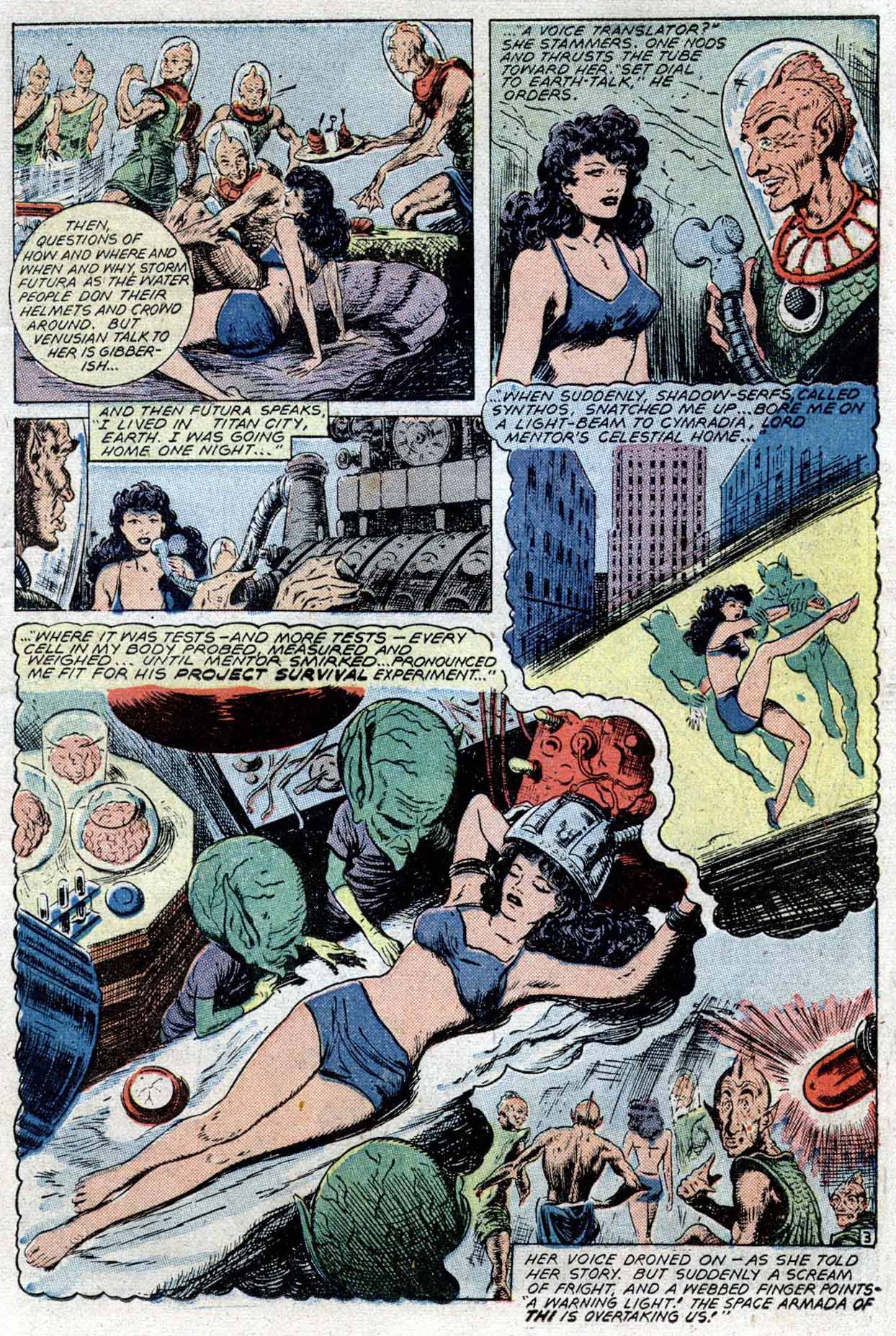
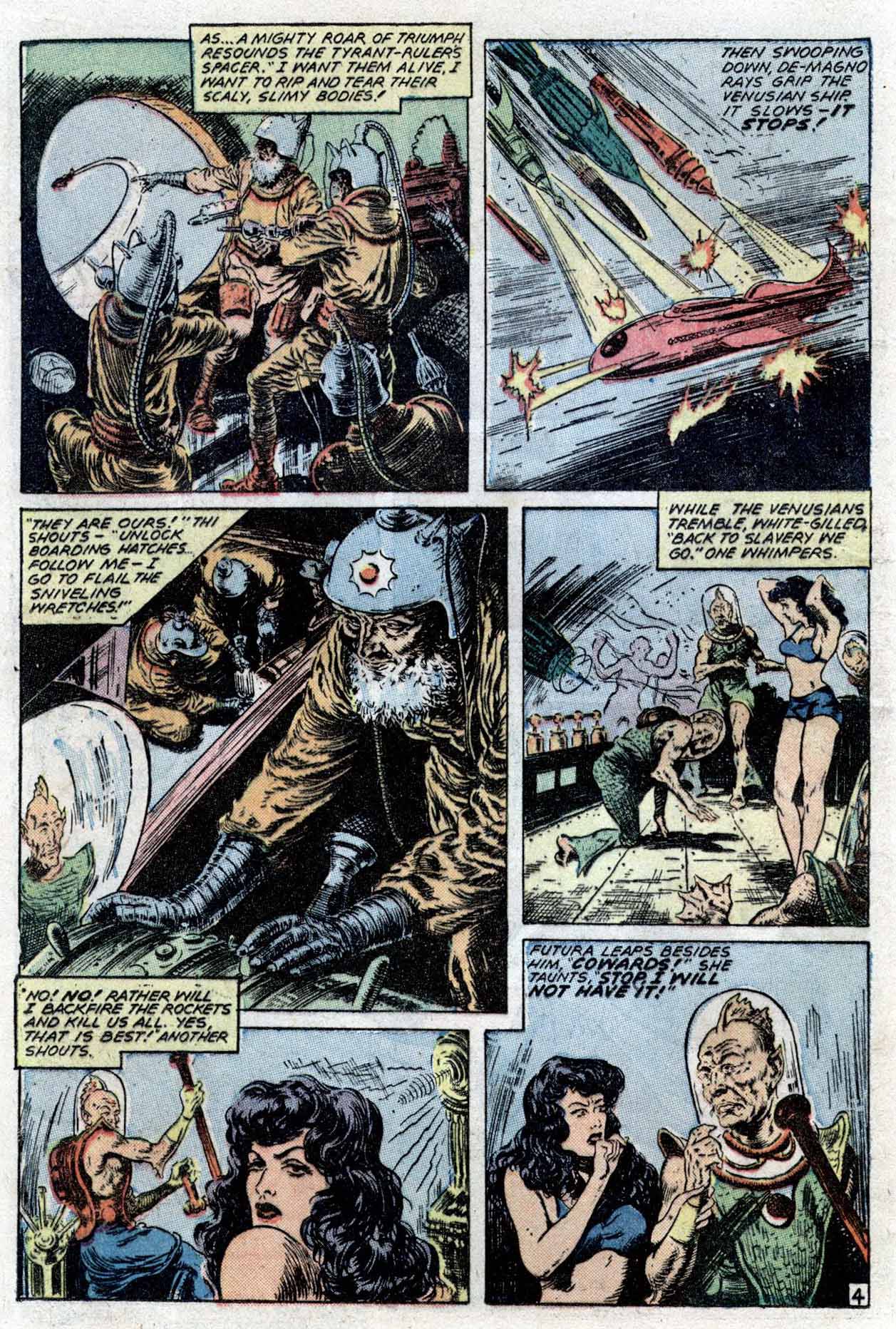
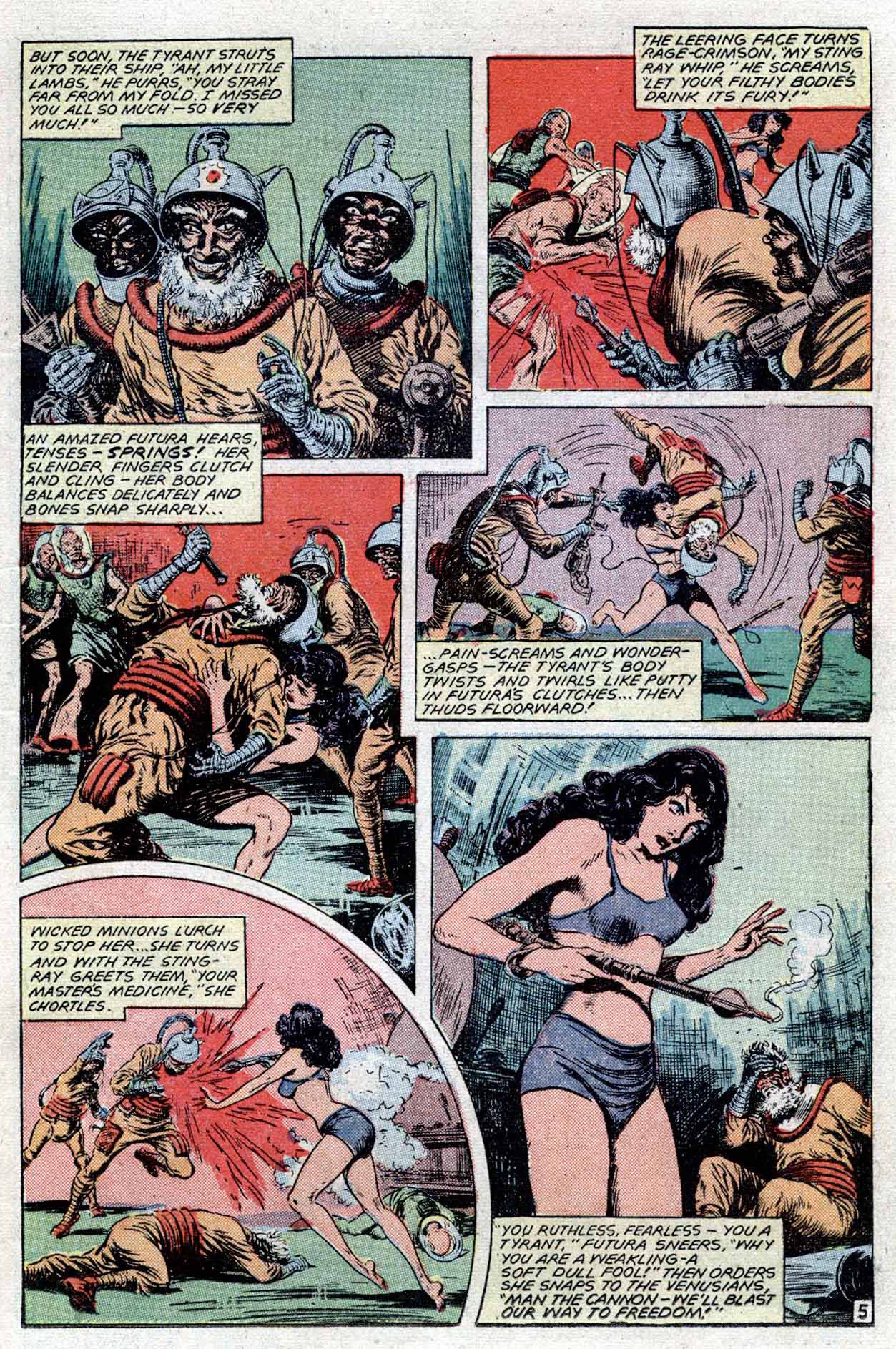
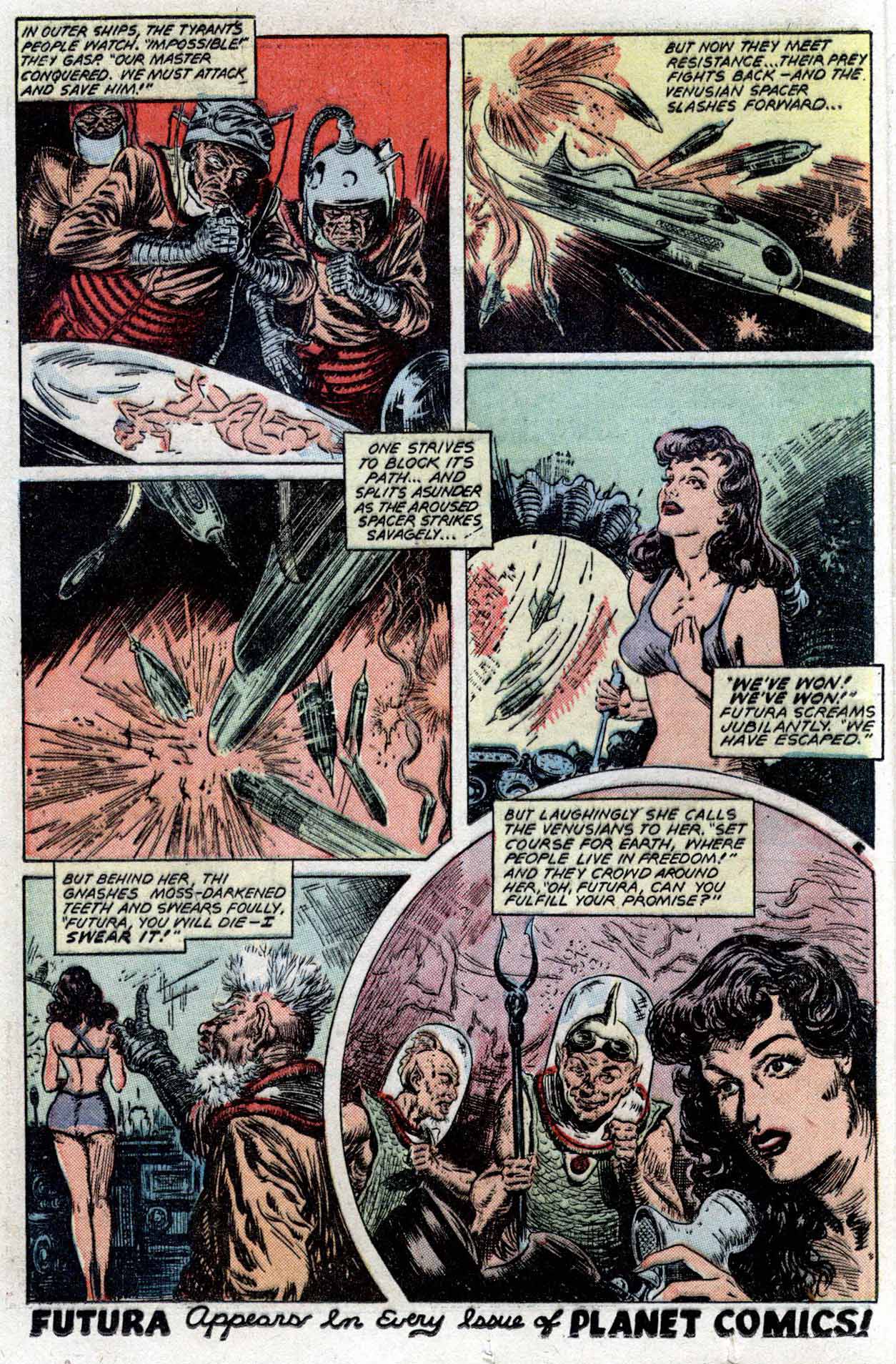
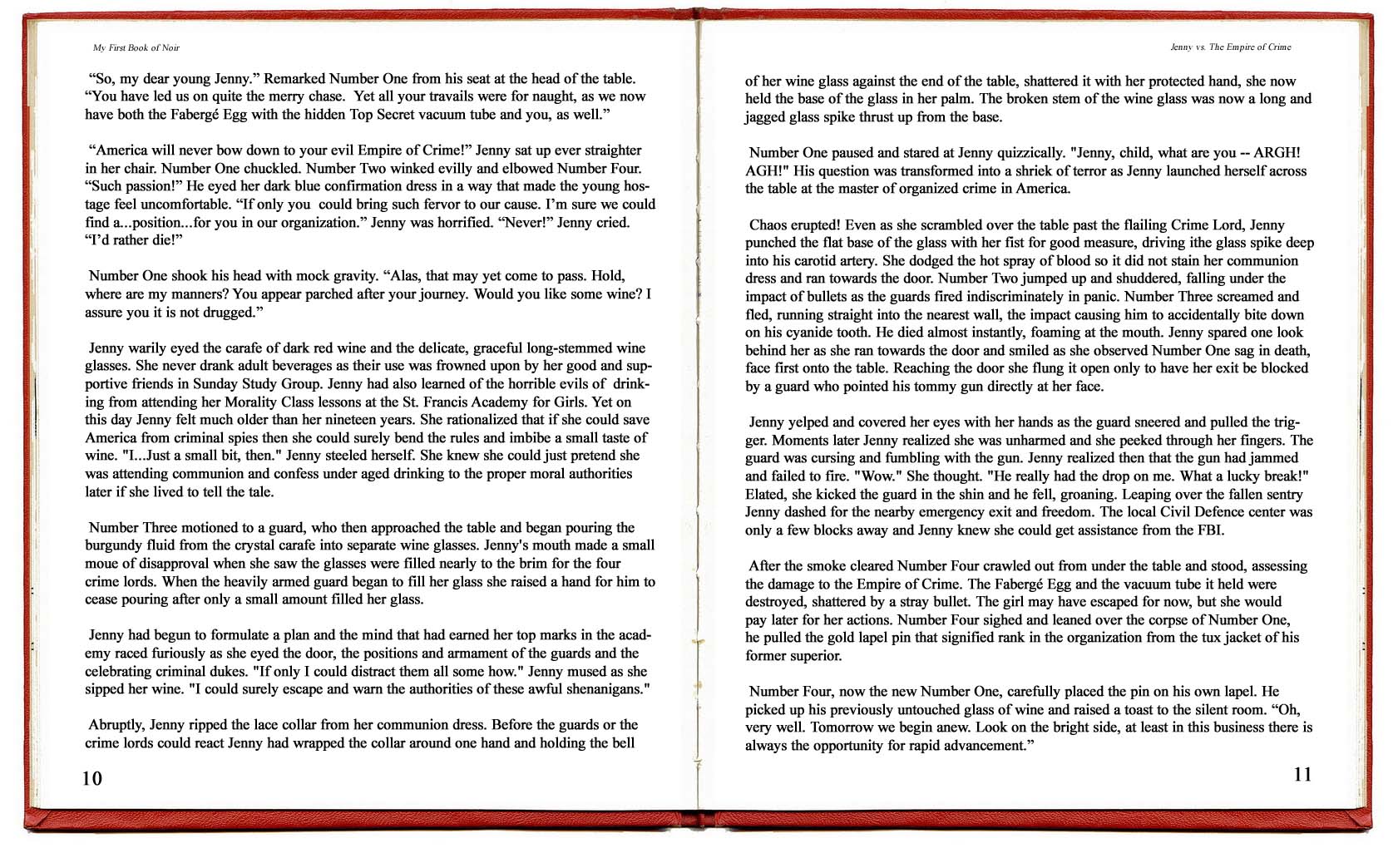 Breaking those tropes is why I found page five of Chapter 12's Futura story so pleasing. Brought into the command center before the tyrant of space, Futura proceeds to beat him near to death with her bare hands. The scene in the fictional Chapter 5 of Jenny vs. The Crime Empire was directly inspired by how I envisioned the initial conference room meeting between captive Rachel Weisz and the evil corporate executive in the film Chain Reaction should have really gone down.
 Yeah. I have no idea what I was thinking when I paid money for this cassette tape way back in 1983. I don't even remember what continent I was on the month this was released since I traveled a lot during that period and I was usually drunk most of the time (the benefit and hazard of being young, amoral and with a disposable income coupled with unlimited opportunities for world-wide travel for $10 a ride). I think I was in Italy and there is a vague recollection that the purchase involved a party and trying to get into some girl's favor. Guys do a lot of stupid things when it comes to women. That I still have this in my music collection is bizarre.
 Green Lantern #74 (On Sale: November 26, 1969) has a great cover by Gil Kane.
 Girls' Romances #146 (On Sale: November 26, 1969) has a cover by Jay Scott Pike and Vinny Colletta.
 Detective Comics #395 (On Sale: November 26, 1969) has a wonderful cover by Neal Adams. The cover could only have been improved if they had let it go the full height of the book, with the logo on the illustration instead of above it.
 Adventure Comics #388 (On Sale: November 26, 1969) has a cover by Curt Swan and Murphy Anderson.
 Action Comics #384 (On Sale: November 26, 1969) has a nice cover by Curt Swan and Murphy Anderson. I particularly like the cop on this cover.
 Superman's Pal Jimmy Olsen #126 (On Sale: November 25, 1969) has a nice cover by Curt Swan and Murphy Anderson.
 Date With Debbi #7 (On Sale: November 25, 1969) has a cover by Henry Scarpelli.
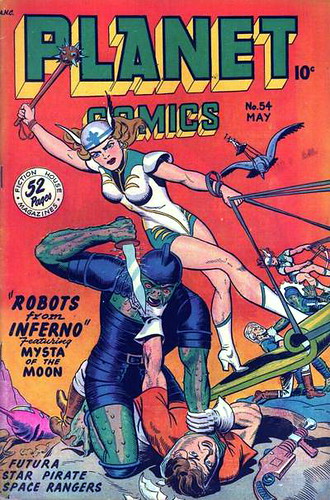 The overall science fiction themes of Planet Comics typically followed whatever trend was the most popular at the time. Early in the series the stories were verging on the silly, reflecting the Hugo Gernsback-style of science fiction, or "Scientifiction" that was prevalent in the pulps. Space ships were simple reaction rockets that flew through the cloudy, ether-filled space between the stars that arrived at their distant destination in hours. Mysterious rays that performed miraculous feats of destruction were fired with precision from hand-held weapons. Atomic steam powered the giant cities while prop planes soared between monolithic buildings. All very charming and a product of the times. But grumblings among fandom existed even then as readers often complained about the nigh-magical feats of machines and the impossible actions derived from simplified and fanciful physics. These type of complaints from readers would go virtually unanswered for decades until the secrets of how fictional and impossible science worked by a different comic book company that published their Official Handbook of the Marvel Universe.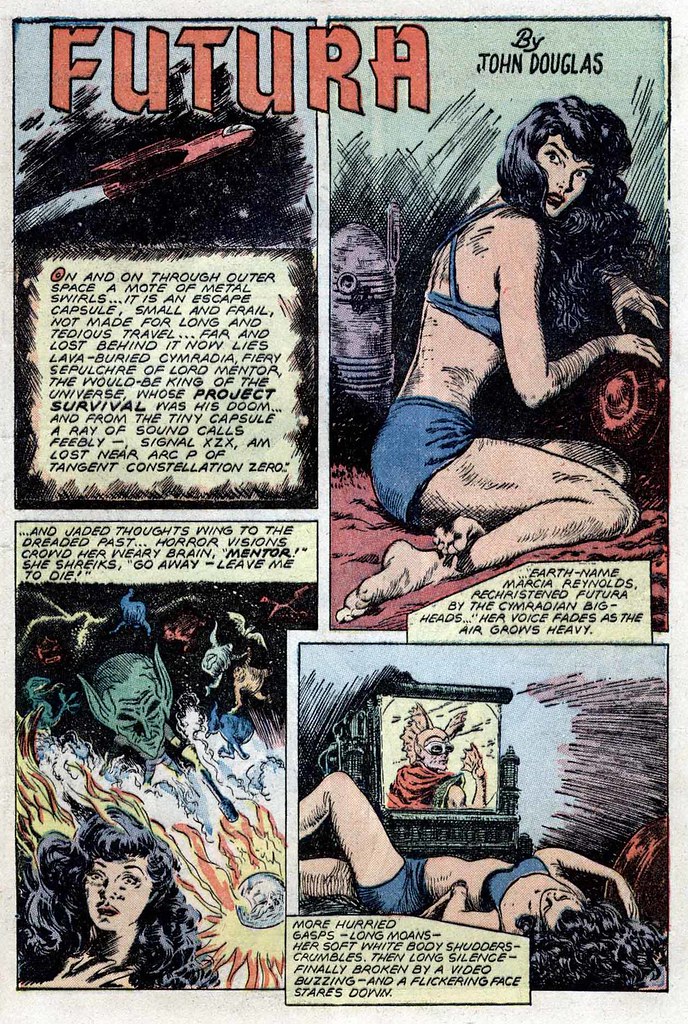
 Every now and then a movie comes along with a twist ending so unexpected and exhilarating, it elicits an involuntary "Wow!" The problem, however, is just how to write about such a film in a way that will capture your interest without ruining that "wow" moment. Fortunately for you, I have a bit of experience in this area ...
 Occasionally the story loses momentum, but only temporarily, nothing detrimental. At one point, mystery fans will feel sure that the whole thing is going to wrap up leaving gaping plot holes unresolved. But therein lies the genius of the film: The ending sows up everything so perfectly and unexpectedly, well, I won't belabor the point.
 In my browsing for all things Futura I came across an early 1960s jazz album by Bernie Green bearing the same name as the Planet Comics heroine from the Golden Age of comic books. While Bernie Green had a prolific career in television as a musical director and spent decades at rather generic task work he was also a surprising musical innovator. Comic book fans may be familiar with his work if not his name for Mad Magazine as the force behind Musically Mad from 1959.
 Anyone interested in World War II really owes it to himself to check out some Japanese WWII pictures. It's quite a different perspective from the losing side, and while there were plenty of films made with a hurray-for-us-anyway-we-did-our-best sensibility, the ones I find most compelling are those that strip away the heroics and patriotism and examine the reality of war. Such films include Masaki Kobayashi's The Human Condition trilogy, Kon Ichikawa's Fires on the Plain and The Burmese Harp and Yasuzo Masumura's Red Angel (1966). While less well-known than the others, Red Angel nevertheless stands alongside these classics in terms of its virtuosity and shocking veracity.
 Red Angel doesn't shy away from controversial wartime issues including the harsh realities of triage, comfort women, drug addiction, rape and disease. The film deals frankly with amputation (complete with an extended bone-sawing sequence) as well as the fate of the limbless survivors; according to one armless man (Yusuke Kawazu, right), guys like him would never see their families again (due to the Japanese government's policy of stashing multiple amputees away in convalescent hospitals so as not to expose the dark verities of war). The special care Nurse Nishi provides this poor unfortunate makes Florence Nightengale look like a candy striper.
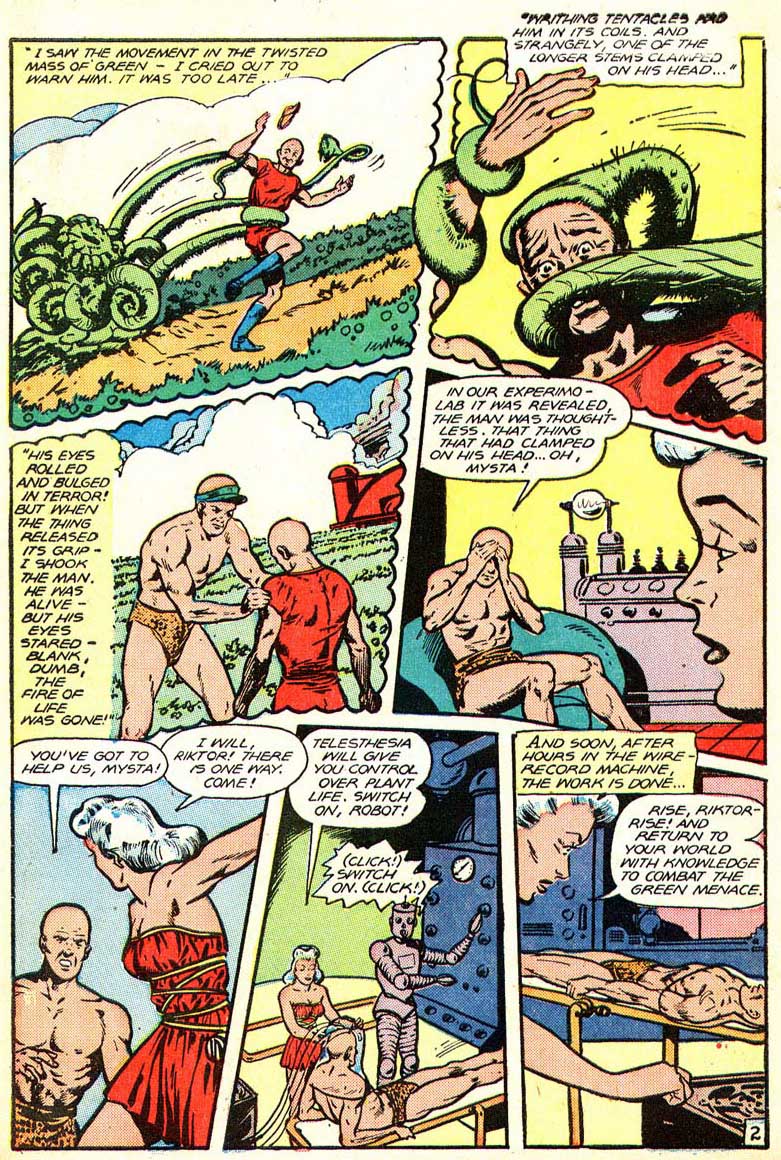
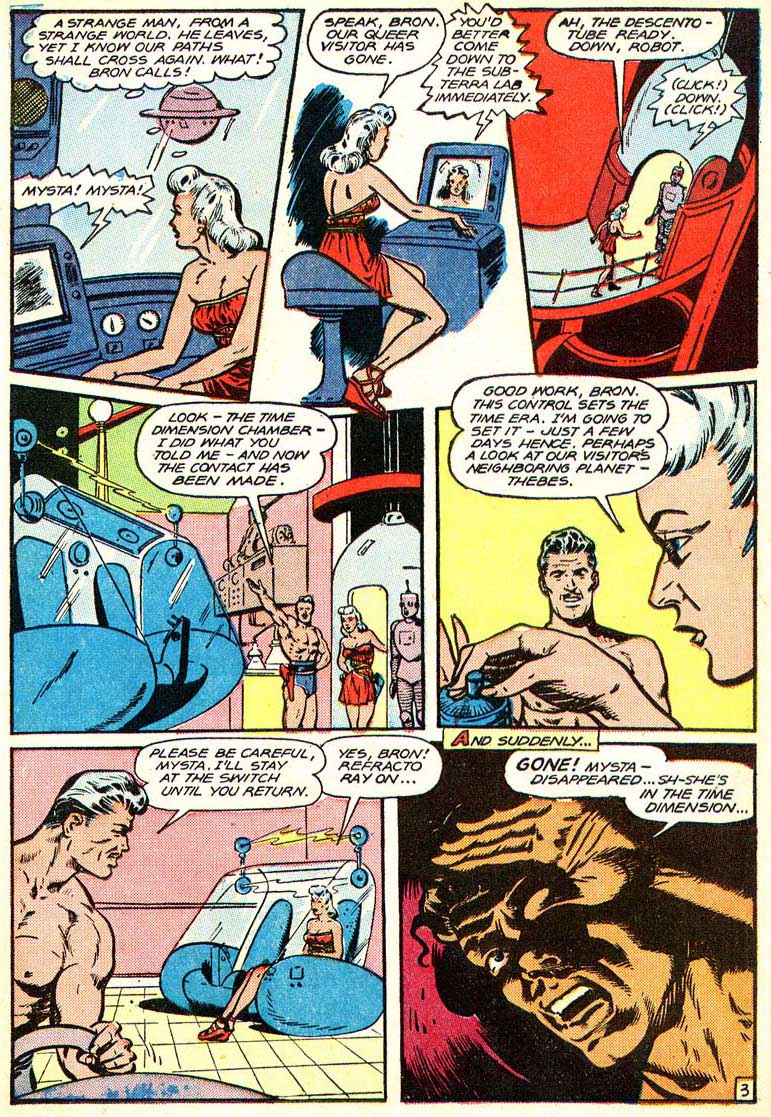
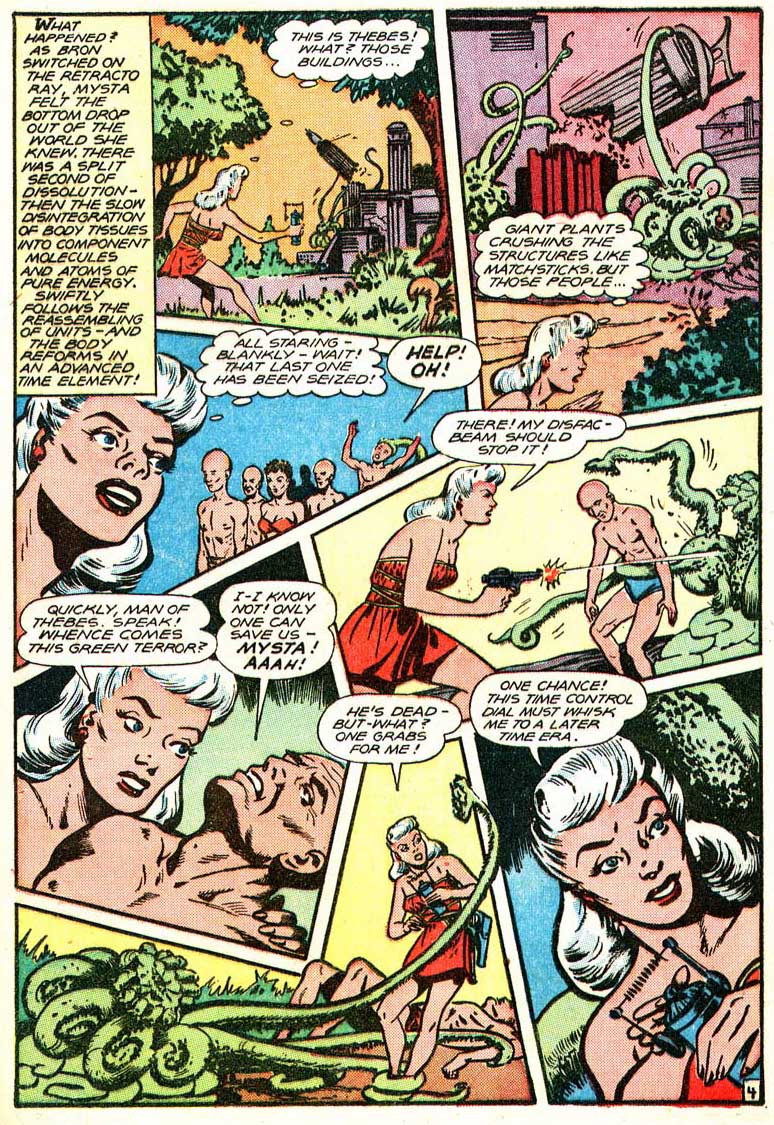
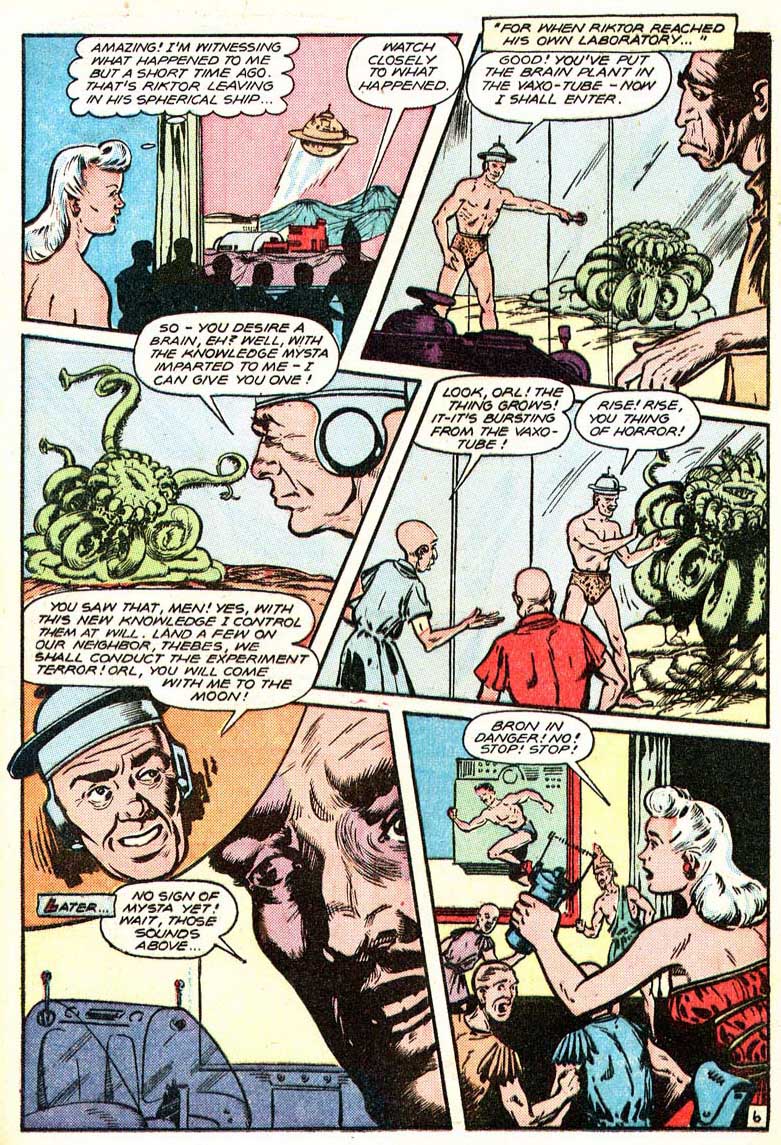
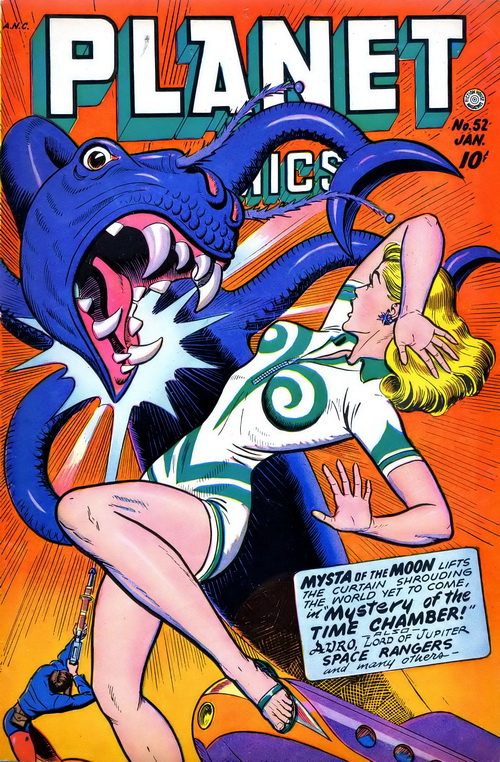 Before I continue with the Futura Saga I am going to take a break to present a special request appearance of Mysta of the Moon.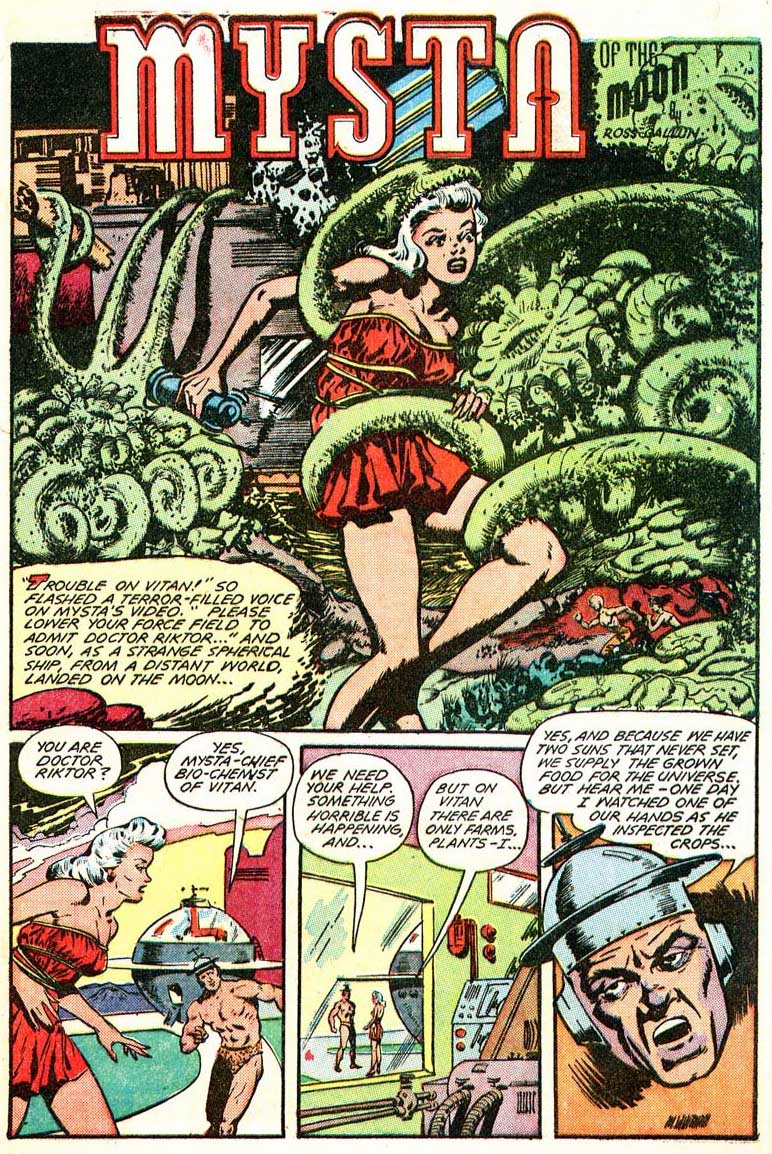



 Superboy #162 (On Sale: November 20, 1969) has a cover by Curt Swan and Murphy Anderson.
 Secret Hearts #141 (On Sale: November 20, 1969) has a cover inked by Vinny Collitta.
 Adventures of Jerry Lewis #116 (On Sale: November 20, 1969) has a cover by Bob Oksner.
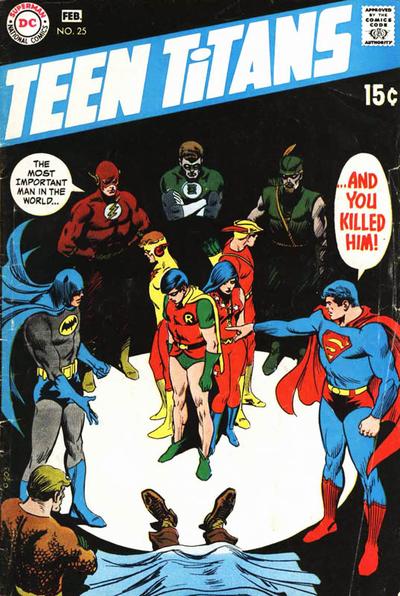 Teen Titans #25 (On Sale: November 18, 1969) has a powerful cover by Nick Cardy.


