Original cover by Hergé; Casterman 1931. Alexis Logié's website is here.
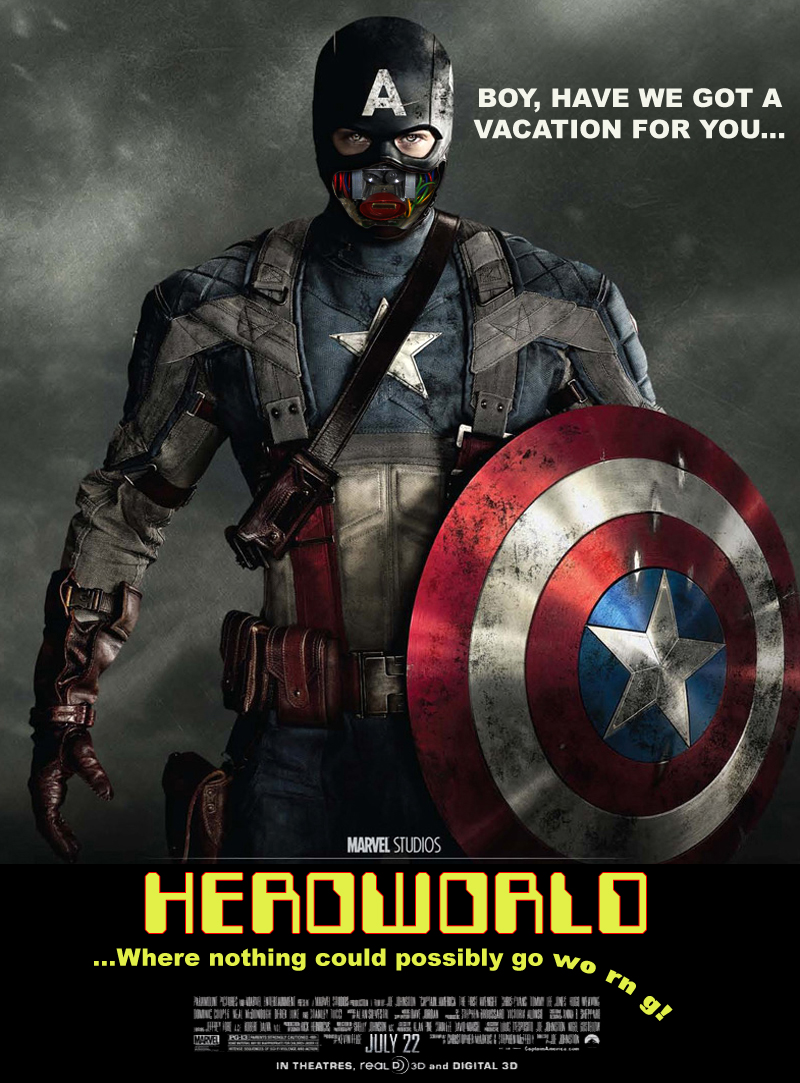 When it comes to movies based on comic book superheroes I am of the opinion that the best I can hope for is it doesn't suck too much. Two or three bad super hero films can kill the genre for about a decade. Look at the 80s for an example.
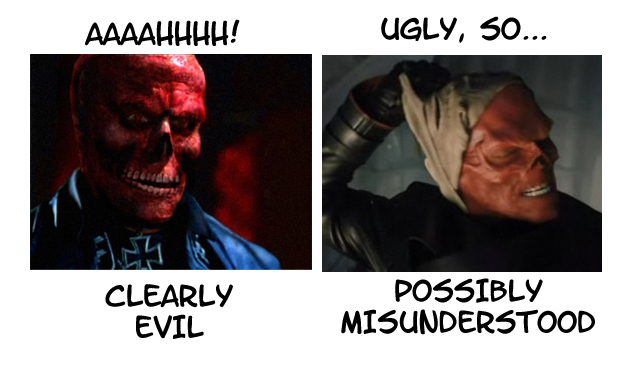
 The film managed to acknowledge the entire published and cinematic history of Captain America and as a fan I was pleased it did not ignore the contributions of Simon and Kirby among other creative teams. Honestly though, I thought the 1990s Red Skull mask was superior to the one worn by Weaving. The 2011 Red Skull had smooth and flawless skin. I expected more veins, raw exposed teeth and muscles similar to the one worn by Scott Paulin in the 1990 film.
 The initial Hydra spy foot chase could have benefited from some tighter editing and the musical number, with Cap punching co-splay Hitler was a nice scene that set the stage for the journey from propaganda jester to hero. Also, a nice touch was that Captain America was made in a process that meant more than the physical aspect as a pre-super soldier Steve Rogers obsessively studied militarily history and tactics. It was clear that not just anyone could be Captain America, something that the comic books has addressed for decades. That the Nazis were only incidental to the film and Hydra was the big bad initially caused some story concern for me. What is Cap without Nazis? But it became clear that the Nazis were petty, venal thugs with limited vision and ability. In recent cinema (after the 1940s) this idea was also put forth in Indiana Jones and the Last Crusade. The fate of the Red Skull is pretty obvious and I'd be surprised if he doesn't make an appearance in the Avengers film or a Cap sequel. Bucky was also set up to make a return as the Winter Soldier if the fan interest is there.
 Utterly hilarious in heavy-handed guilt inducement this online ad from a bank urges you to avoid years of expensive therapy for your children and acrimonious divorce from a spouse by taking out a loan for fancy, expensive vacations and not suffer the shame of a mediocre family trip to lesser destinations.
 OK, I never heard of it either. But the good folks at AnimEigo sent me a review copy, so I feel I owe them a review. Unfortunately, this time around it's not going to be a good one.
 No other answer possible.


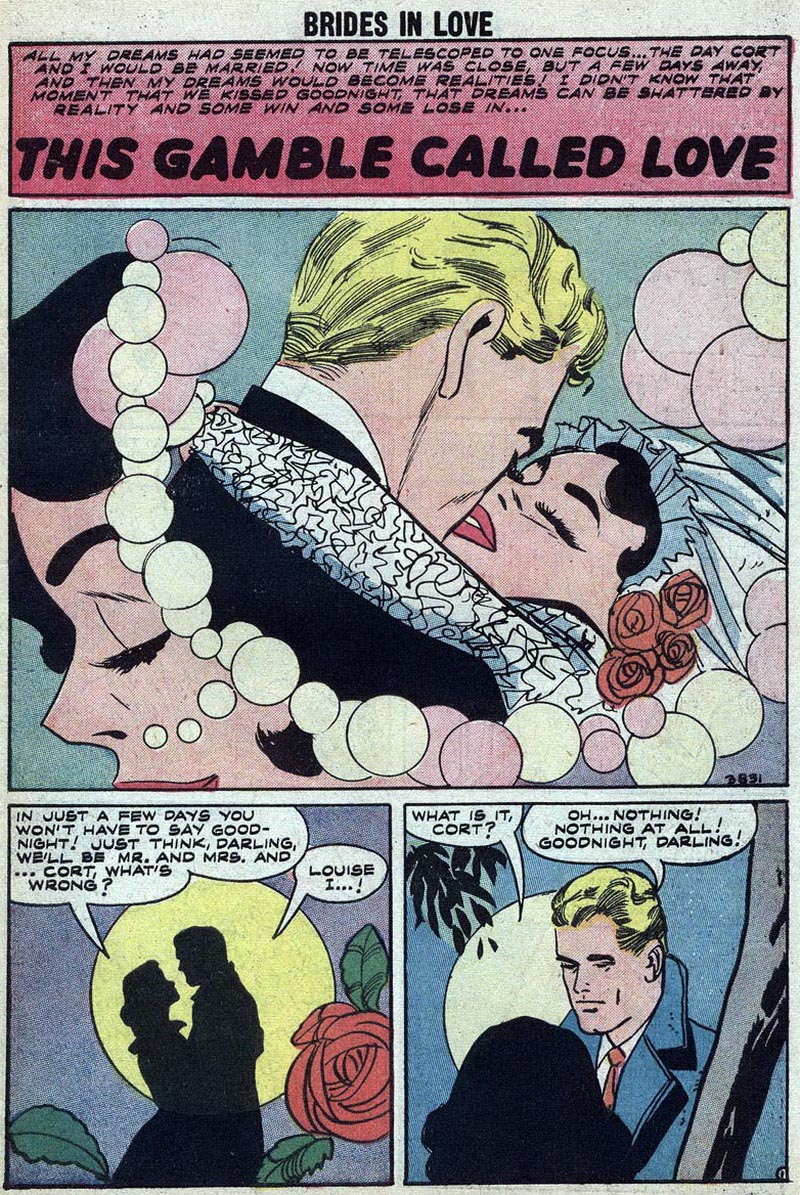
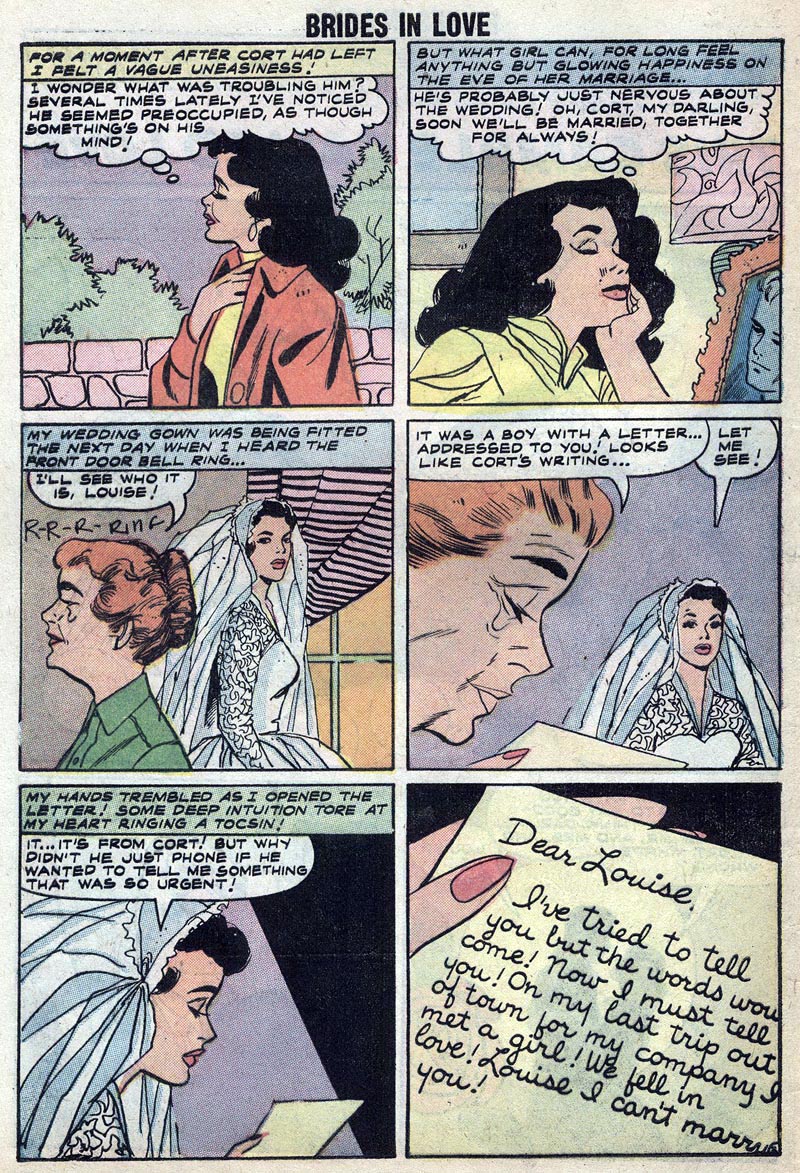
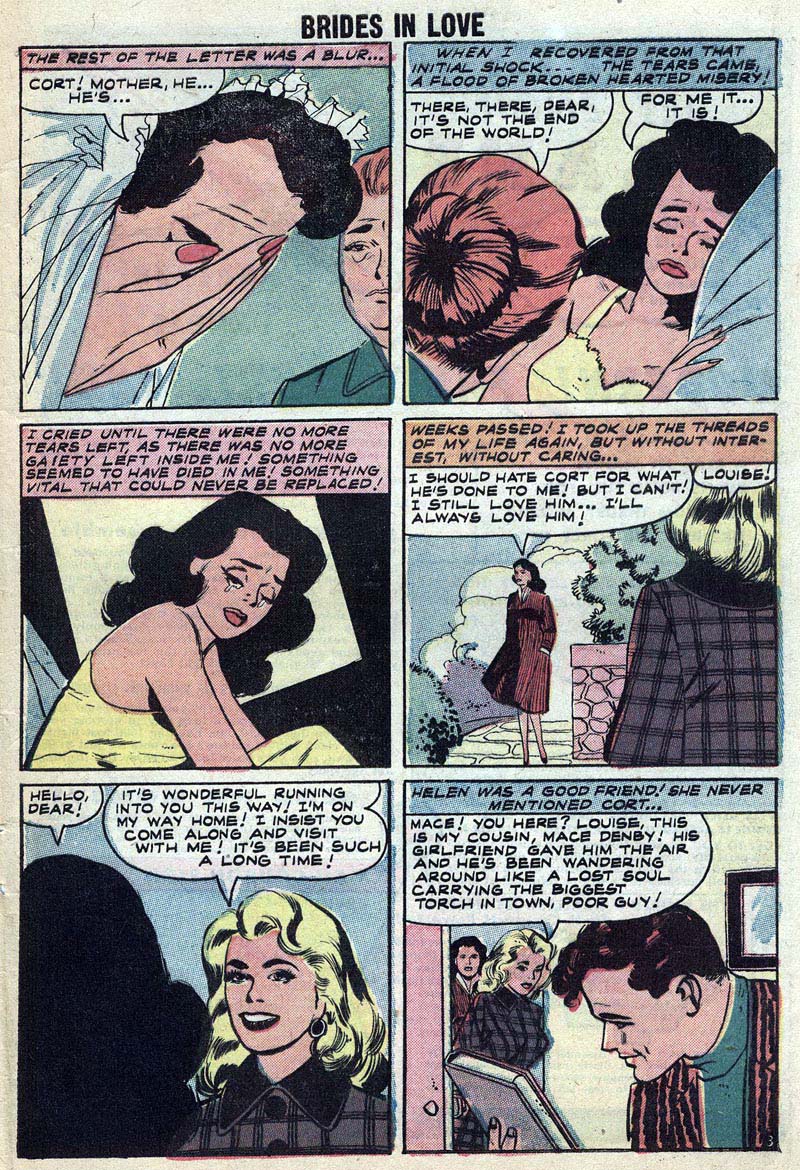
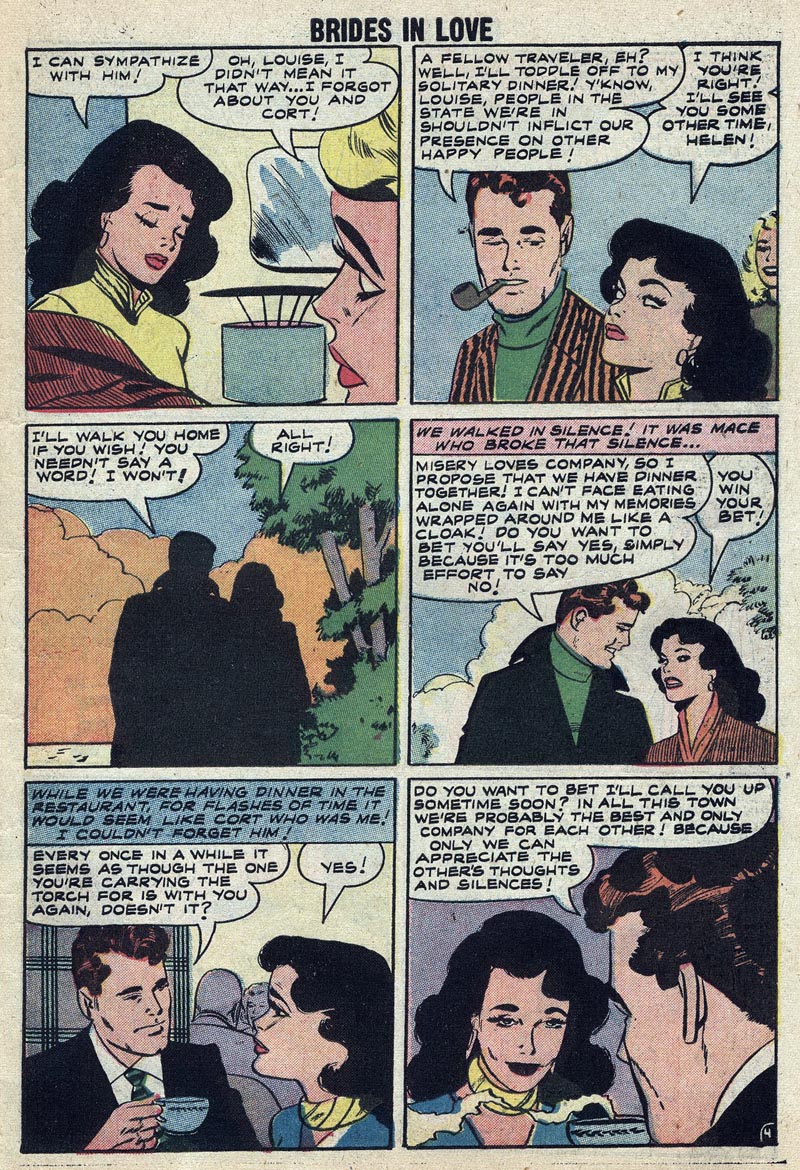
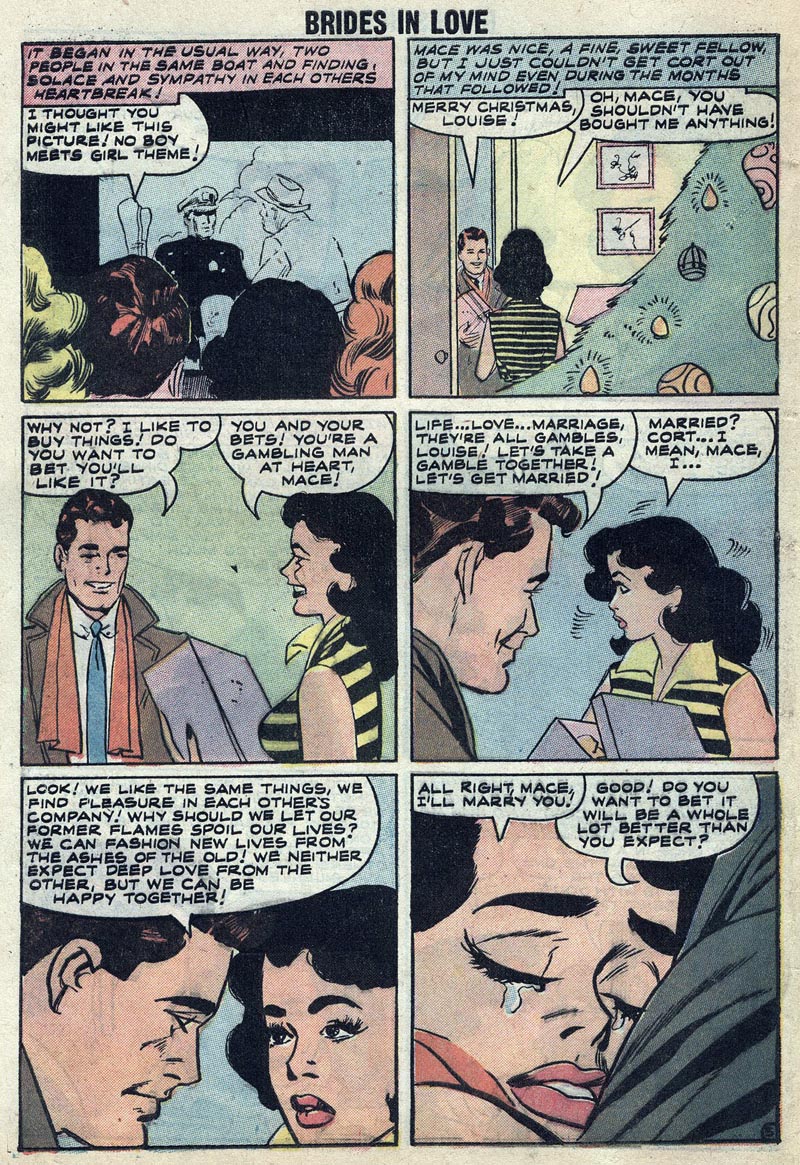
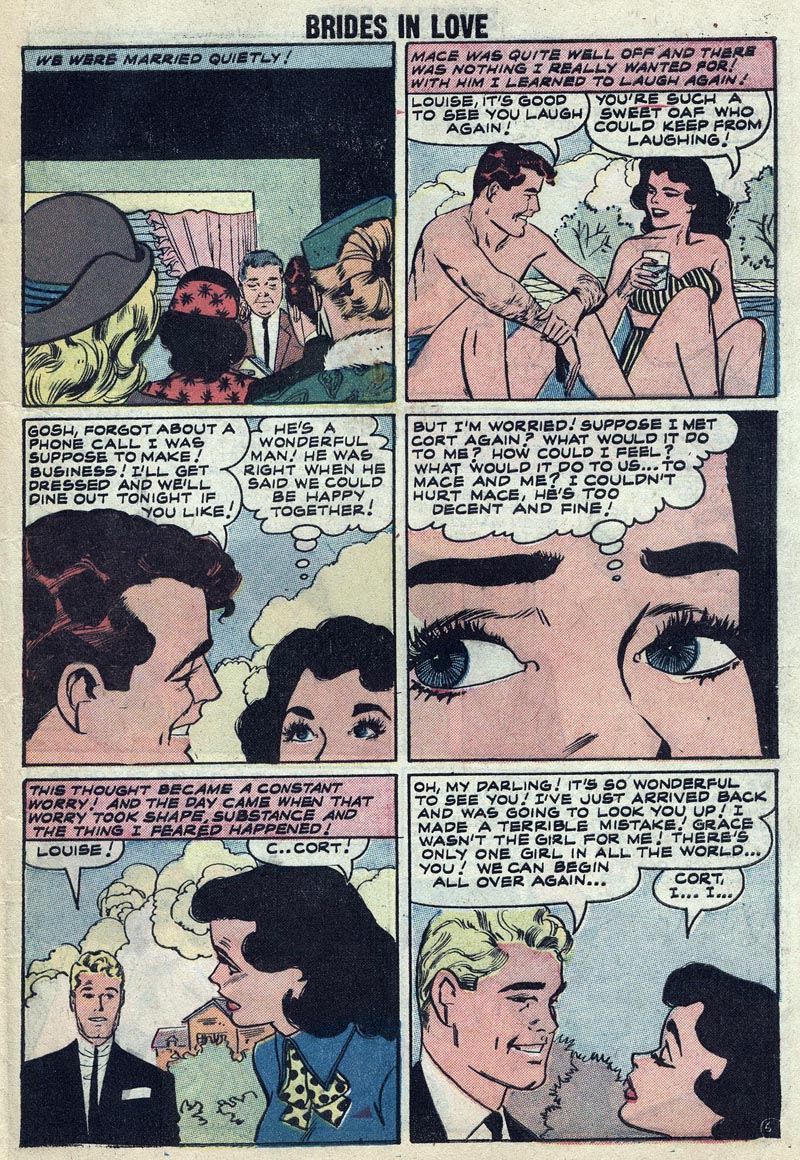
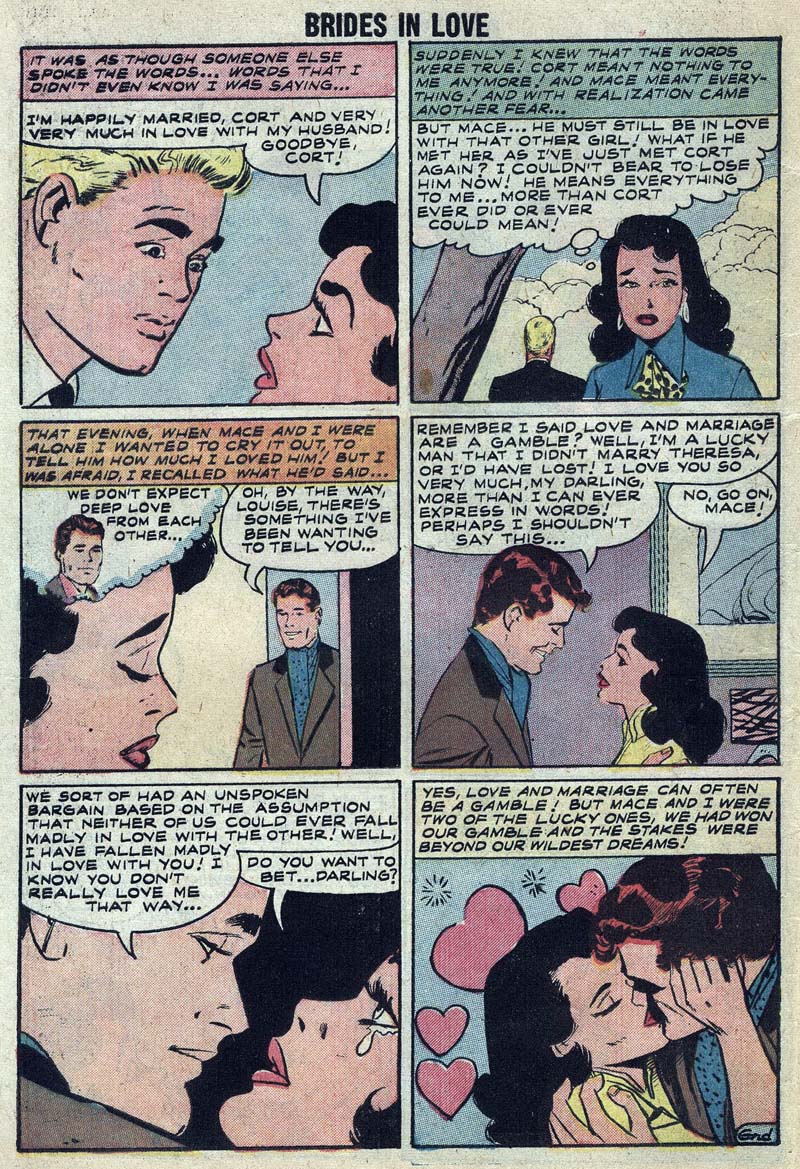
 The presumably young Ada Winemiller that claimed this copy of Brides in Love #9 back in 1958 would have been reading tales of romance that perhaps misled her as to what gender roles were really like in the late 1950s. Other than the social programming within the book Ada would also have been exposed to the somewhat non-gender specific advertising within the pages as well.
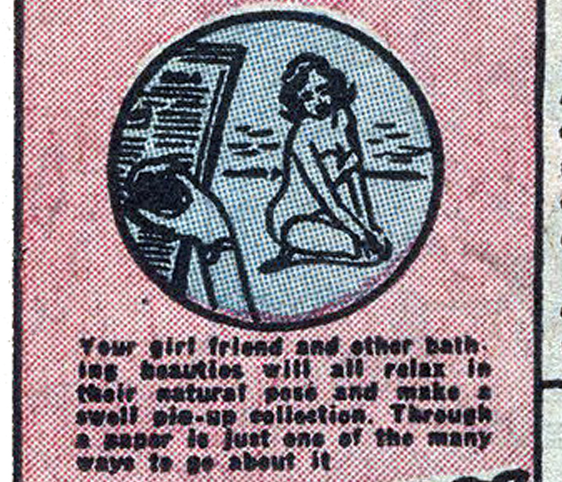
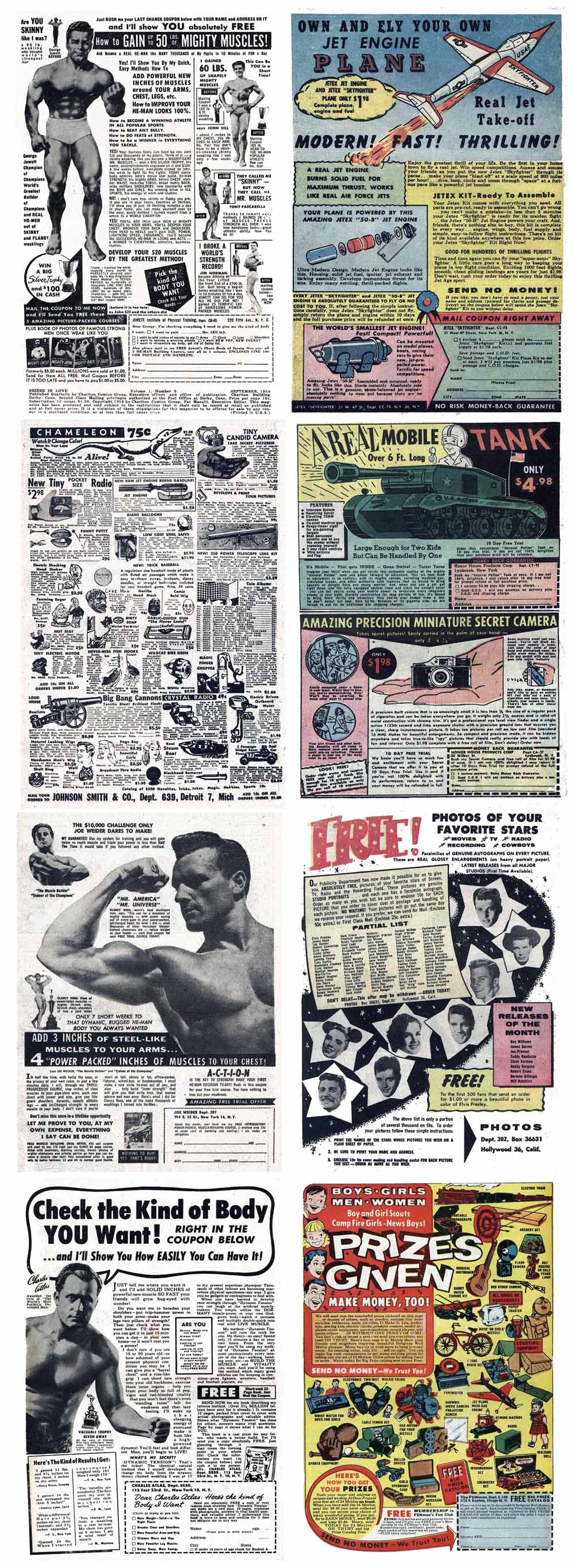 So it was that Brides in Love #9 contained the usual advertising of the era. That several of the ads depicted muscle men is likely incidental and while possibly of interest to Ada were probably not placed in the book specifically to her market.
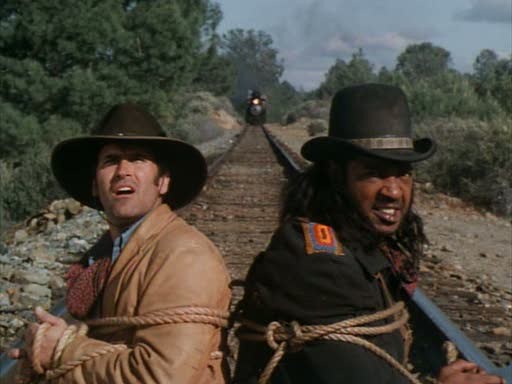 OR GREATEST TV SHOW EVER?


 Baby carrots are the venison of the vegetable world. This is because they are not grown into such a convenient shape and size like baby corn is. Rather, a regular carrot is chopped, shaved and whittled down to a fun sized snack. A similar process is used in making veal, which is the tasty result of a calf being ripped from the beating womb of a cow. Such waste.

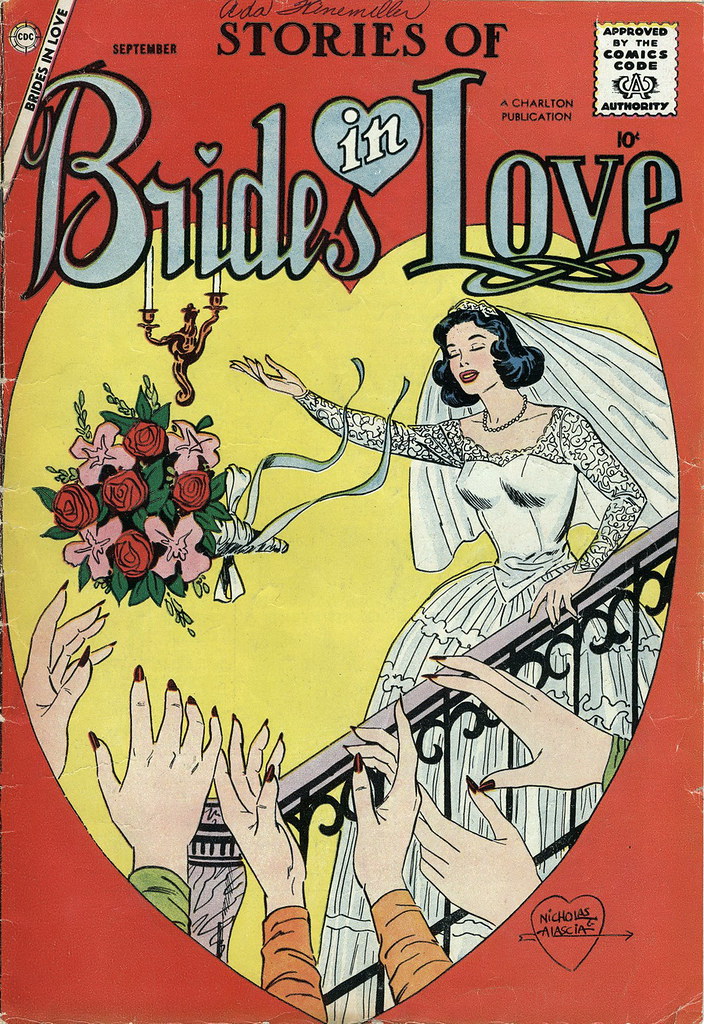 An unknown time ago Ada Winemiller signed her name to a September 1958 copy of Brides In Love #9 published by Charlton Comics.